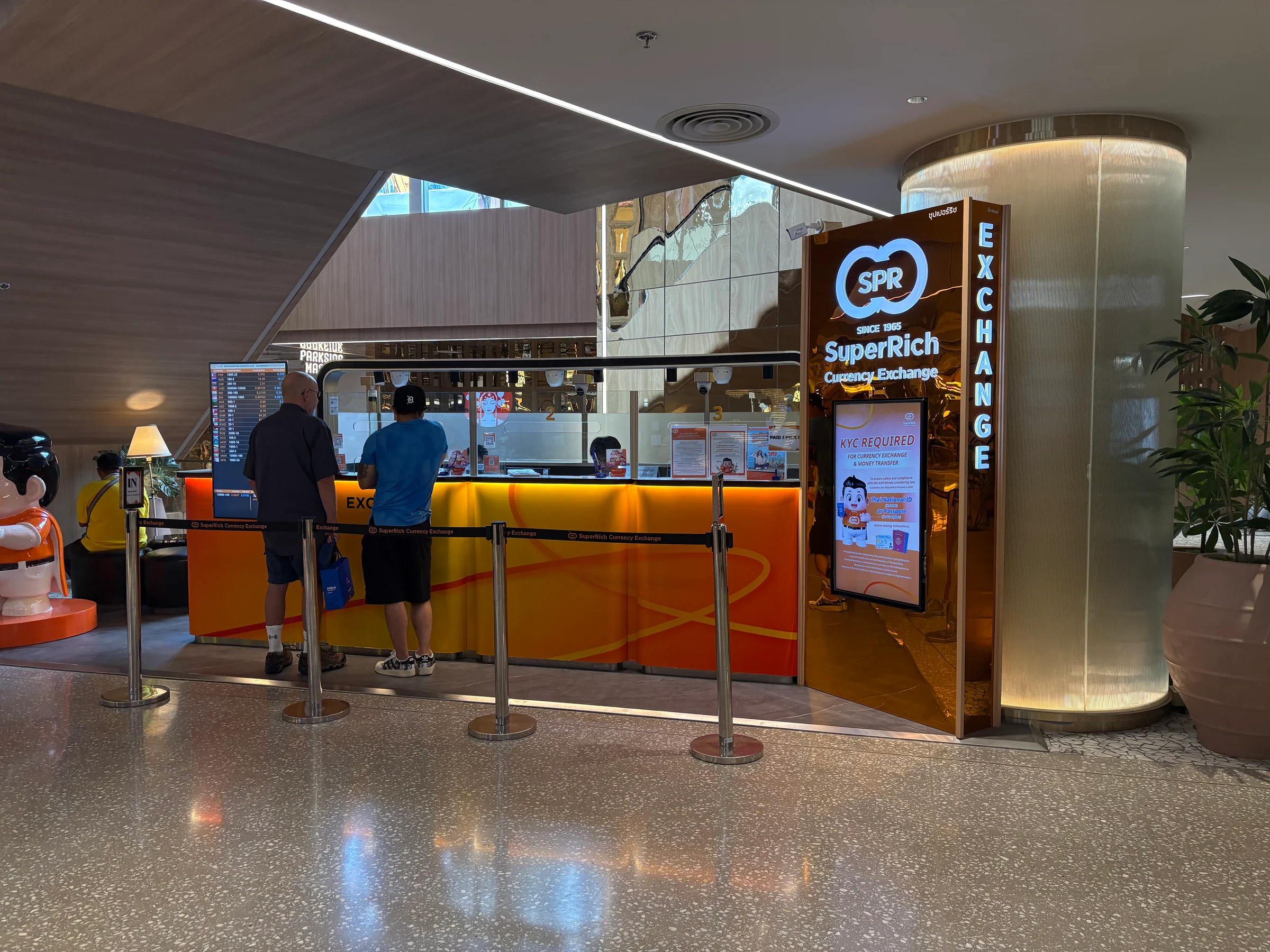
If you change foreign cash at a high-street booth, pay for things in instalments through an app or have ever had to show a Thai lender your credit report, the Bank of Thailand has plans that will reach you over the next few months. At its GovernorConnect media briefing on Thursday 29 October 2026, Governor Vitai Ratanakorn said the central bank is preparing five further measures and expects them to start between November 2026 and March 2027.
The bank's own summary of the briefing lists the five: supervision of gold bought or sold for more than 10 million baht in cash, supervision of buy now pay later (BNPL) businesses, lower fees for checking credit bureau records, supervision of THB stablecoins (digital tokens pegged to the baht) and an upgrade of the money changer business. The bank says it is still preparing the notifications and public consultations, so the details below are plans, not rules.
Money changers
This is the item most likely to touch expats and visitors directly. Thai PBS, reporting on the briefing, said there are about 2,000 licensed money changers, that many do not meet existing requirements such as filing documents and reports, and that the bank will overhaul how the sector is supervised so every operator works to the same inspection and reporting standards. It said the change was expected to be announced around January 2027 and that several hundred operators unable to comply could leave the business. The stated aim is consumer protection and stopping exchange booths from being used to launder money.
One existing rule is worth knowing: the bank's financial safeguard page says licensed exchange businesses may buy no more than 800,000 baht worth of foreign currency from any one customer per day, or 200,000 baht in border areas and some designated locations. Until the new standards are published there is nothing to do differently, but the direction is towards more checks and reporting, not fewer. Using a licensed operator, and keeping your receipt, remains the sensible approach.
Credit bureau checks
The bank says it will cut the cost of checking credit bureau records. Thai PBS reported that the plan, expected around December 2026, would let people check their own credit data free of charge twice, and that a check can currently cost up to 150 baht. The credit bureau holds the repayment records Thai lenders look at when someone applies for a card or loan, so a cheaper or free way to see your own file would be a small but useful saving for residents with Thai credit. The final fee and the free allowance will only be confirmed when the bank issues its notification.
Buy now pay later
BNPL lets shoppers split an online purchase into instalments. The bank lists supervision of the business among the five measures, and Post Today reported that new rules were expected around December 2026, with proposed limits of 20,000 baht per loan, repayment within six months and interest of no more than 15 percent a year, and about seven firms expected to apply. Those figures are proposals reported from the briefing and could change after consultation.
Cash gold and stablecoins
Two of the measures are aimed mainly at illicit money flows. The bank plans to supervise gold purchases and sales of more than 10 million baht paid in cash, alongside its existing limit of 50 million baht per person per platform for gold traded on online platforms settled in baht. It also plans rules for THB stablecoins; Thai PBS reported these were expected around January 2027, with a one-to-one peg to the baht. Neither is likely to affect everyday spending, but both point the same way: larger cash deals in Thailand are getting more scrutiny.
The wider plan
Alongside the five measures, the bank said its priorities for 2027 are household debt, access to credit for small businesses and supervision of all kinds of non-bank operators, including lenders, payment services, money changers and money transfer firms. It is a separate announcement from the Monetary Policy Committee's decision on 28 October to hold the policy rate at 1.00 percent.
Modern Expat Magazine will report the actual rules once the Bank of Thailand publishes them. Until then nothing changes, and anyone with a specific loan, transfer or exchange question should check with their bank or the operator they use.