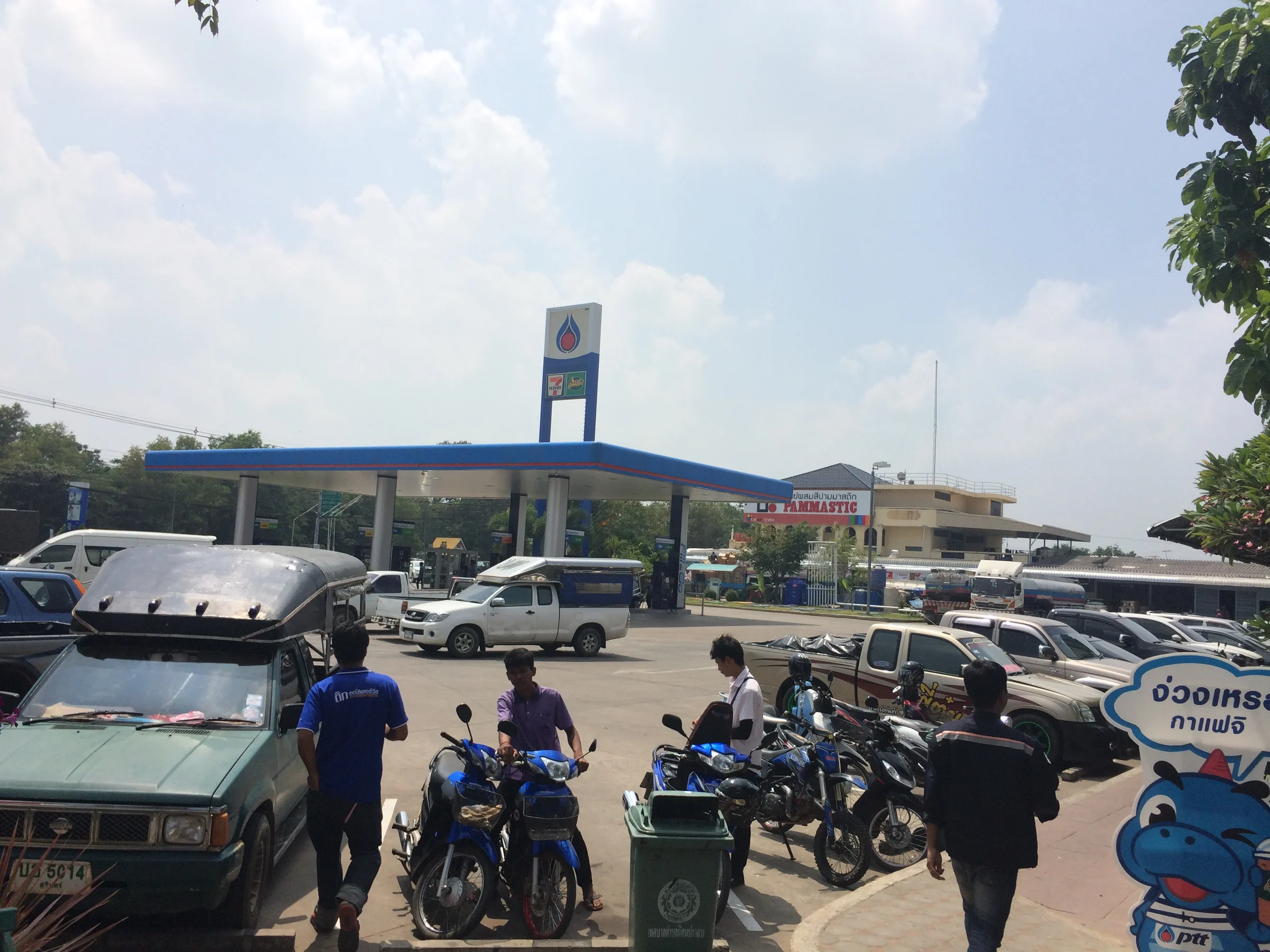
If you have seen posts claiming that gasohol 91 and 95 are about to vanish from Thai pumps, the Ministry of Energy says that is not true. What is real is a longer-term idea to make E20 the standard petrol grade, and drivers of older cars should know where that idea stands.
On 12 November, Energy Ministry spokesperson Pongpol Yodmuangcharoen said reports of an imminent end to gasohol 91 and 95 were untrue. According to the ministry's statement, published by the government's Radio Thailand, making E20 the base petrol is one idea under study as part of Energy Minister Ekanat Promphan's push to cut fuel imports.
A day earlier, Prime Minister Anutin Charnvirakul told reporters that gasohol 91 and 95 would not disappear tomorrow, and that any change to the fuel structure would need study and supporting figures. Thai PBS reported that he called a phase-out a future matter with no transition timetable set.
Incentives, not compulsion
The ministry says the route to E20 should not start with compulsion. Instead, price would be the incentive and motorists would decide for themselves. If a switch ever happens, the spokesperson said it should come in stages, after hearing all sides, with an option kept for vehicles that cannot use E20.
The ministry's own figures put E20 at about 8 baht a litre cheaper than gasohol 95. It says E20 gives roughly 3% less distance per litre but costs almost 20% less. Part of that gap comes from a three-month cut in excise tax on E20 and B20 that the government says runs from 28 October 2026 to 27 January 2027.
The ministry says daily use has risen to 6.72 million litres of E20 and 8.29 million litres of B20 diesel. It argues that a move from E10 to E20 as the base grade would cut petrol demand by the equivalent of more than 700 million litres of crude oil a year, money it says would flow to Thai sugar cane and cassava farmers instead.
What to check if you drive in Thailand
Not every car can take E20. Thai PBS, citing the Department of Energy Business, reported that just over 4 million of more than 46 million registered vehicles are E20 compatible. The Nation reported that the Energy Ministry plans to work with carmakers so drivers know which models and production years can use E20 and B20.
For now, nothing changes at the pump. If you are tempted by the cheaper price, check your fuel cap or owner's manual for an E20 label first, and keep using 91 or 95 if your car is not approved.