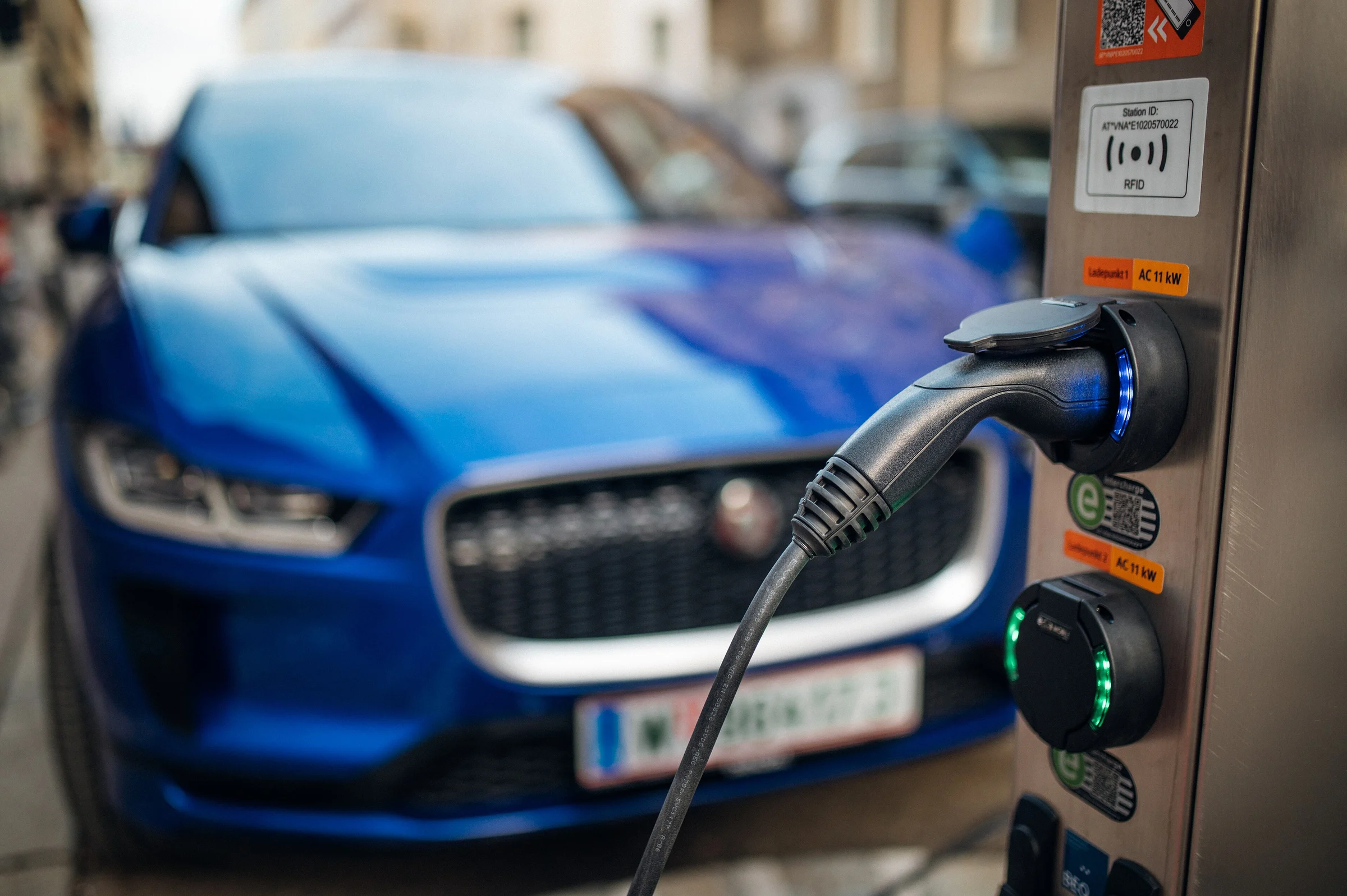
If you are weighing up an electric car in Thailand, the tax picture changes in less than two months. On 3 November 2026 the Cabinet approved raising the excise tax on imported battery electric vehicles and range-extended electric vehicles to 35 per cent, with the new rate due to take effect on 1 January 2027.
Today, a fully imported battery electric vehicle, or BEV, which runs on battery power alone, is taxed at 10 per cent. A range-extended electric vehicle, or REEV, which carries a fuel engine to recharge its battery but is driven only by its electric motor, is taxed at 15 per cent. Both move to the same 35 per cent rate.
The decision was announced by Deputy Prime Minister and Finance Minister Ekniti Nitithanprapas after the Cabinet's meeting in Udon Thani, in a release published by the Government Public Relations Department. The Nation and Thairath English report the same rates and start date, quoting Excise Department director-general Pornchai Thiraveja.
Which cars are affected
Excise is a tax the Thai state charges on certain goods, including cars, before they reach the showroom. According to the finance minister, as reported by The Nation, the higher rate is aimed at EVs that are brought in from abroad, are not produced in Thailand and use no locally made parts. Cars built or assembled in Thailand under the government's support schemes are not the target.
The government says the move follows decisions of the National Electric Vehicle Policy Committee in November 2025 and September 2026. Its stated aim is to reward carmakers that have built factories and supply chains in Thailand, to keep the car industry stable as imported models compete harder, and to make the country a regional base for building and exporting EVs.
The Cabinet also told the Excise Department to talk to carmakers and investors planning new production in Thailand about special tax rates, so the final treatment of some brands may still change.
What it means if you are shopping for an EV
Neither the government nor the Excise Department has said how showroom prices will change. Excise is only one part of what a buyer pays, and each importer decides how much of any increase to pass on. What is clear is the date: imported BEVs and REEVs face the new rate from 1 January 2027.
For expats in Phuket, Bangkok or elsewhere, the most useful question to ask a dealer is simple: is this model built or assembled in Thailand, or is it fully imported? If it is imported, ask whether the quoted price already reflects the 2027 tax, and when the price and delivery date are guaranteed. A car ordered in December may not be registered until after 1 January.
This article is general information about a tax change, not financial advice. Check the latest terms with the dealer and the Excise Department before you commit to a purchase.