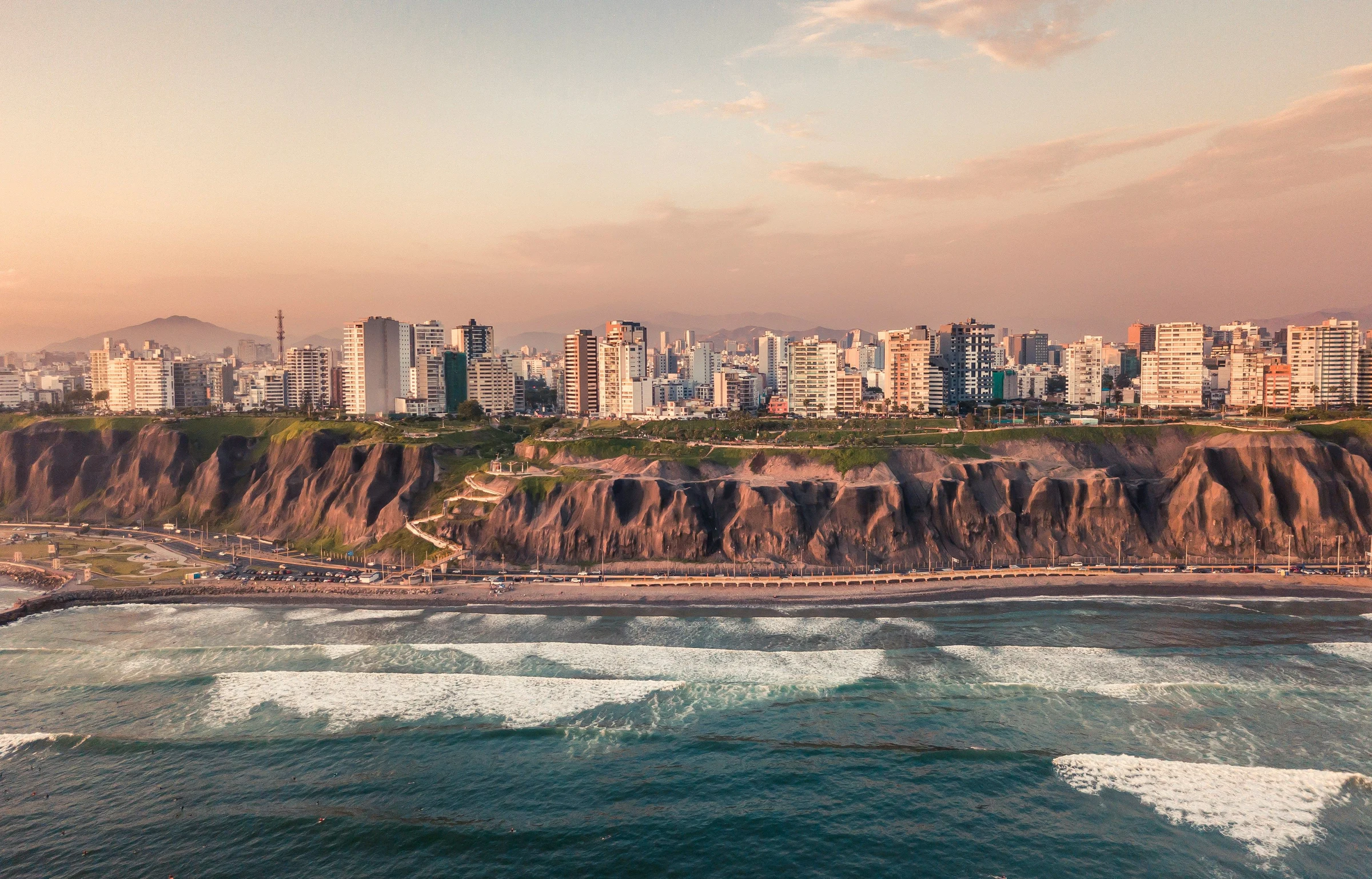
Thailand and Peru signed a full free trade agreement on 19 November 2026, on the sidelines of the 33rd APEC Economic Leaders' Meeting in Shenzhen, China. Deputy Prime Minister and Commerce Minister Suphajee Suthumpun signed for Thailand and Peru's Minister of Foreign Trade and Tourism, Rogers Valencia, signed for Peru, with Prime Minister Anutin Charnvirakul and Peru's President Keiko Fujimori looking on.
It ends a long stop-start process. Talks on a full agreement stalled for more than a decade before resuming, and both governments announced the substantial conclusion of negotiations in December 2025. Nothing changes at the border yet, though. The deal still has to pass Thailand's Parliament and each country's domestic procedures, and the Thai government's stated aim is for businesses to start using it in 2027.
What the deal covers
The two countries already trade under an older, narrower protocol that covers only part of the goods they exchange. According to Peru's presidency, once the new agreement is in force the share of Thai tariff lines open to Peruvian goods on preferential terms will rise from 66% to 94%.
The full agreement also adds areas the old protocol left out. Peru lists trade in services, including financial services, competition, trade remedies, the temporary entry of business people, intellectual property and cooperation. The December 2025 joint statement from both governments also named rules of origin and trade facilitation among the chapters agreed.
According to the Thai government's Public Relations Department, two-way trade reached US$555.24 million, about 18 billion baht, in the first nine months of 2026, up 33.66% on the same period a year earlier.
Who stands to gain
On the Thai side, the Commerce Ministry names cars and car parts, tyres, dietary supplements, catfish and tilapia, pineapples, papayas, processed fruit, machinery, construction materials, plastics and veterinary products as the exports with the most potential. Peru expects to sell more wooden furniture, fruit juices, honey, pet food and fishmeal into Thailand.
Thailand is also pitching Peru as a doorway to the wider Latin American and Caribbean market of nearly 670 million people, and Suphajee pointed to Peru's new Chancay Port north of Lima as a way to strengthen shipping links between Asia and Latin America.
What it means for you
For most expats in Thailand, the effect will be gradual and modest: over time, possibly a wider choice of Peruvian food and goods on shelves here. If you run or work for a business that trades with Latin America, this is the time to start preparing rather than acting. Neither government has yet published the full schedule of tariff cuts or the detailed rules on services and business travel, and none of the benefits apply until the agreement enters into force. Watch the Department of Trade Negotiations for the published texts before you price a contract around it.