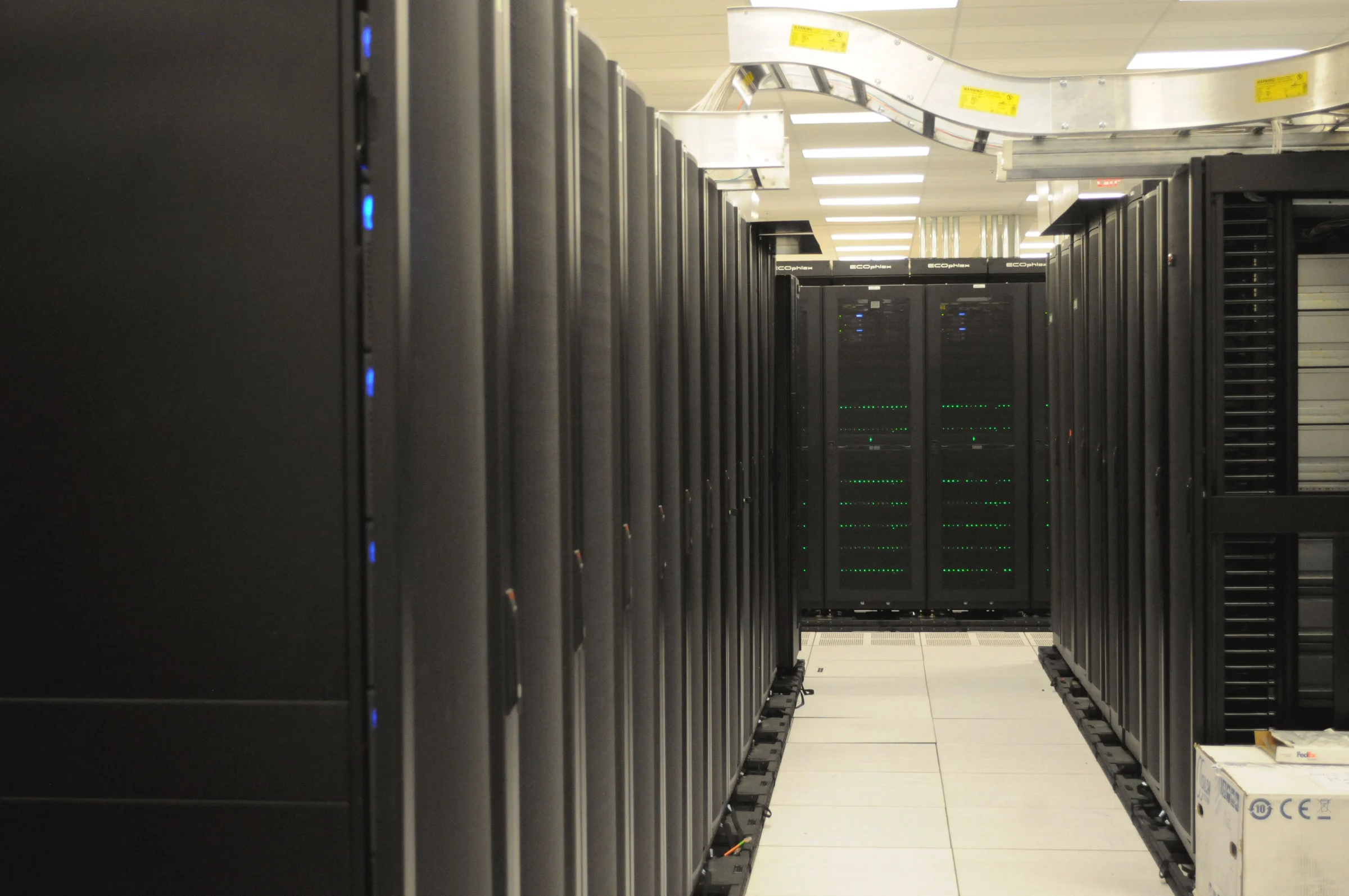
Thailand's data centre boom has mostly been a story about investment pledges and power demand. On 10 November 2026 the Cabinet turned it into a story about neighbours too. Ministers approved a policy to regulate data centres, and officials said the rules would include a limit on backup-generator noise at the fence line, a cap on how much the buildings can warm the air around them, and new limits on where the biggest sites may be built.
For anyone living near one of the data centres already running or under construction, the obvious question is whether this changes anything on your street. The honest answer is: some of it, eventually, and much of the detail is still to be written.
Seven tiers, decided by electricity use
The policy sorts data centres by how much power they draw, and oversight starts at 0.5 megawatts. Smaller installations sit below that line. The location rules split at 20 megawatts.
| Tier | Electricity use | Where it may be built |
|---|---|---|
| 1 | Below 0.5 MW | Outside the new oversight threshold |
| 2 | 0.5 MW to below 5 MW | Commercial zones allowed |
| 3 | 5 MW to below 10 MW | Commercial zones allowed |
| 4 | 10 MW to below 20 MW | Commercial zones allowed |
| 5 | 20 MW to below 50 MW | Industrial areas only |
| 6 | 50 MW to 200 MW | Industrial areas only |
| 7 | Above 200 MW | Industrial areas only |
In practice, that means a data centre drawing up to 20 megawatts could still be built in a commercial area of a city, while the largest campuses would have to go to industrial estates, where stricter oversight applies.
What would neighbours actually get?
Officials said data centres would generally not need their own environmental impact assessment, on the grounds that they are buildings full of servers and cooling equipment rather than factories. Sites inside industrial estates would fall under the estate's existing assessment. Instead, an environmental code of practice would set minimum standards.
- Noise from backup generators capped at 70 decibels at the project boundary
- Heat released into the surrounding area limited to a rise of about 1 to 2 degrees Celsius
- Cooling water recirculated, and tested for quality before any discharge
Why the government stepped in
Part of the reason is paperwork. Approvals were previously split across several agencies, and Finance Minister Ekniti Nitithanprapas said that had allowed applicants to reserve electricity capacity and sell it on. The Nation reports officials counted more than 110 applicants with overlapping power requests totalling over 30,000 MW, and estimated that only around a quarter were genuine investors.
The Ministry of Digital Economy and Society will run a one-stop service to screen and approve projects, alongside a dashboard of data centre locations across the country. New proposals would be judged on jobs, training for Thai workers, Thai suppliers and clean energy use, not only on the size of the investment. Earlier, the policy board said the ministry would also draft a dedicated law, with investment proposals invited in rounds and selected through pitching.
What happens to the projects already under way?
Projects that had a construction permit or Board of Investment promotion before 14 August 2026 may continue, and would get about a year to meet the new environmental standards. Anything that applied after that date, and every new operator, goes through screening first. According to the BOI, 57 data centre projects had received investment promotion as of April, with 17 operating and 40 in development.
So will the server farm down the road get quieter? If it is an existing project, not straight away; it has a transition period. If it is a new one, it should have to meet the code from the start, but the final numbers depend on the consultation still to come. That is the part worth watching.
FAQ
When did Thailand approve the new data centre rules?
The Cabinet approved the data centre regulation policy on 10 November 2026. Detailed standards and a dedicated law are still to follow.
What is the noise limit for data centres?
Officials said the code of practice would cap backup-generator noise at 70 decibels at the project boundary. Details are subject to public consultation.
Can data centres be built in commercial parts of a city?
Under the policy, sites below 20 MW may be in commercial zones. Sites of 20 MW or more must be in industrial areas.
Do data centres need an environmental impact assessment?
Officials said they generally will not, but must follow the environmental code of practice. Sites in industrial estates fall under the estate's assessment.
What about data centres already being built?
Projects with a construction permit or BOI promotion before 14 August 2026 may proceed and get about a year to meet the new standards.
Sources and verification
Factual claims and service details were checked against the sources below on . Prices, rules and availability can change; confirm consequential decisions with the relevant authority or provider.
- Summary of the Cabinet meeting, 10 November 2026 (Thai), item 12: data centre regulation policyRoyal Thai Government (thaigov.go.th)
- DE joins data centre policy board, which approves draft data centre regulation policy for Cabinet (Thai), 27 October 2026Royal Thai Government (thaigov.go.th)
- Thailand backs seven-tier framework for data centre projectsThe Nation
- Cabinet approves new data centre rulesBangkok Post