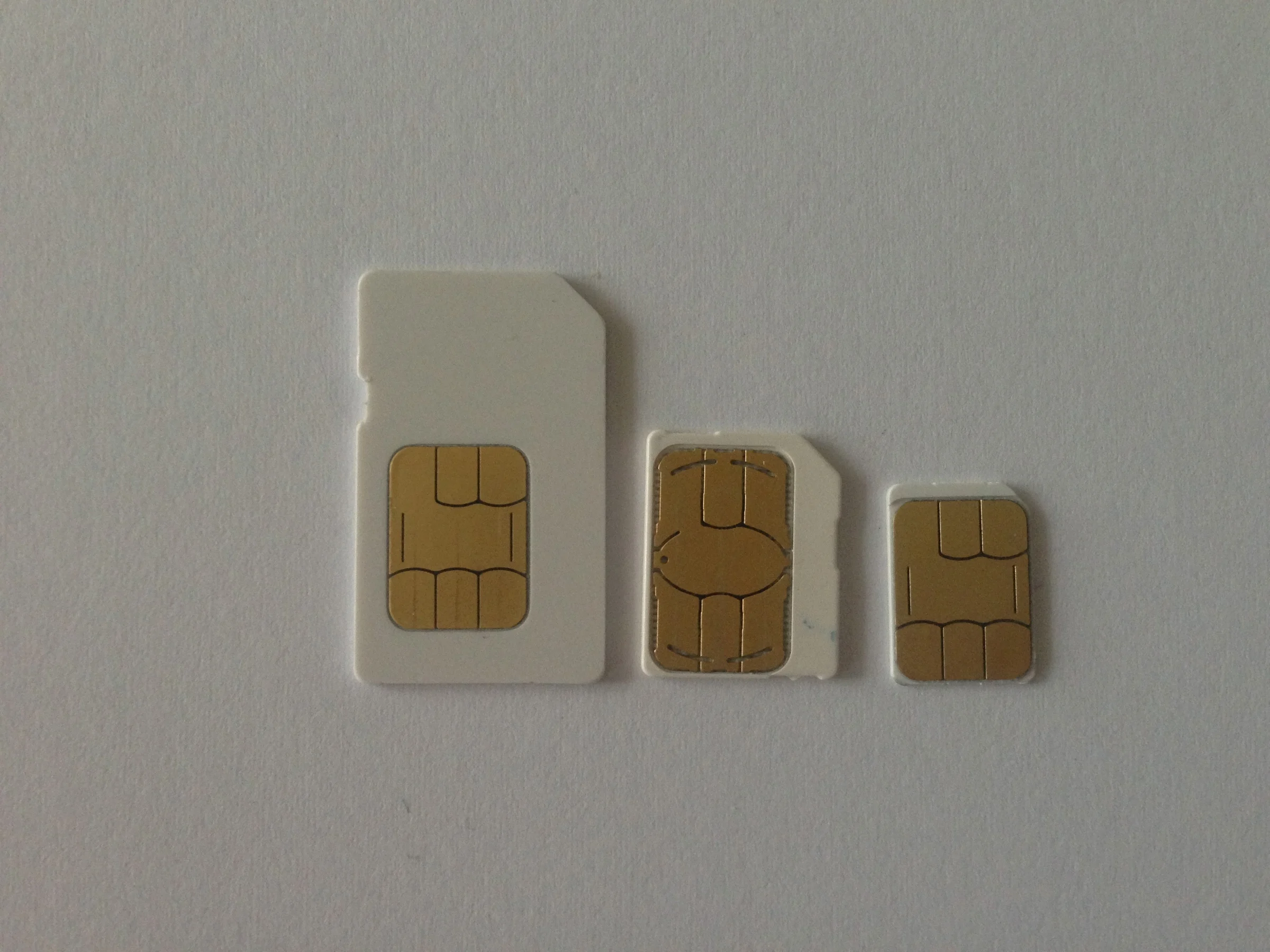
If you keep a work number, a personal number and a spare for bank codes, or pick up a fresh tourist SIM every time you fly in, Thailand's mobile rules have changed underneath you. Since 16 May 2026, anyone without Thai nationality can register no more than three mobile numbers per person with each Thai mobile operator, and registration has to be done in person.
The cap comes from an amendment to the National Broadcasting and Telecommunications Commission's (NBTC) technology-crime measures, published in the Government Gazette on 15 May 2026. The government says the aim is to stop SIMs being used as mule numbers by scam gangs. For most foreign residents the limit will never bite, but it is worth knowing where the edges are.
What the rules say
| Rule | What it means for you |
|---|---|
| Three numbers per person per operator | A foreigner can register up to three mobile numbers with each Thai operator. The cap also covers people without registration status. |
| In-person registration | You must register at an operator branch or an authorised dealer, not remotely. |
| Passport first | Identity is checked mainly by passport, with set alternatives for people who do not hold one. |
| Activate within 60 days | A newly registered SIM must be activated within 60 days or you will need to verify your identity in person again. This applies to Thai users too. |
| Blacklist check | Operators must refuse extra numbers to anyone on the police technology-crime database. |
The same package bans SIM box and gateway devices that hold four or more SIMs from connecting to mobile networks unless they are licensed, stops Thai-registered IP addresses being used to provide services abroad, and requires operators to keep user data for at least 180 days for use in criminal cases.
Who might actually hit the limit?
One phone and one Thai number, as most residents have, is well inside the rules. The people more likely to notice are those who run several lines with one operator for a small business, keep separate numbers for clients, or have bought a new prepaid SIM on every visit for years. Old tourist SIMs registered to your passport may still count against you until they lapse, so if a shop refuses to register a new number, ask the operator to check which numbers are linked to your passport.
Because the cap is per operator, someone who genuinely needs a fourth number can still register one with a different Thai network. That is a workaround for honest users, not a loophole: every number still has to be registered in person against your identity.
What about eSIMs?
The rules cover numbers registered with Thai mobile operators, whatever the format, so a Thai eSIM counts towards the three in the same way as a plastic SIM and still needs in-person identity checks. Travel eSIMs sold by companies outside Thailand that roam on Thai networks are a different product, and many are data-only plans without a Thai mobile number, which matters if a Thai bank, delivery app or government service asks for one. Check with the seller what you are actually buying.
Why it matters for banking
Thai banks and payment apps still lean heavily on your registered mobile number. A number that lapses because you did not activate it, or one you cannot re-register, can lock you out of accounts. Keep the number linked to your bank active and registered in your own name.
FAQ
How many SIM cards can a foreigner have in Thailand?
Up to three mobile numbers per person with each Thai operator, under NBTC rules in force since 16 May 2026.
Can I register a Thai SIM online?
No. For non-Thai nationals, registration must be done in person at an operator branch or authorised dealer, usually with your passport.
Does an eSIM count?
A Thai eSIM is a Thai mobile number, so it counts towards the three per operator and needs the same in-person registration.
What if I do not use a new SIM straight away?
It must be activated within 60 days of registration. After that you will need to verify your identity in person again before it can be used.
Where can I compare networks and plans?
Our guide to SIM cards, eSIMs and internet in Thailand compares the main networks, tourist plans and home internet options.
Sources and verification
Factual claims and service details were checked against the sources below on . Prices, rules and availability can change; confirm consequential decisions with the relevant authority or provider.
- Government steps up cyber-crime measures: SIM controls, SIM box ban and refunds for online-crime victims (Thai)Royal Thai Government (thaigov.go.th)
- Thailand Tightens Telecom Registration, Data, and IP Address Rules to Combat Tech CrimeTilleke & Gibbins